We’re building a chapbook that thrives on difference — of voice, form, background, lineage and lived experience. If your work doesn’t fit neatly anywhere, if you write from the margins or the overlaps, if you’re experimenting with new shapes of language or identity, we want you in this conversation.
This project is for poets who’ve been told their work is too much, too strange, too political, too queer, too hybrid, too emotional, too fragmented, too experimental, or simply not what we publish. Here, those refusals become invitations.
We’re gathering writers who want to create in chorus, in collision, in resonance — poets who come from different languages, different bodies, different histories, different ways of knowing. A collective text is richer when its voices don’t match, and we’re interested in the frictions, echoes, ruptures, and harmonies that emerge when they meet.
If you’ve ever felt misread, overlooked, or boxed in, if you’ve ever written from the edges of culture, gender, geography, language, or tradition, this is a space built with you in mind. Bring your clarity, your noise, your quiet, your strangeness, your precision, your wildness. Bring the ways you speak that don’t sound like anyone else.
Signal / Interference is an experimental poetry chapbook exploring how voices —human, nonhuman, digital, ecological— cross, overlap, distort and illuminate one another. The project investigates what it means to write in an era of climate volatility, fractured social realities and increasingly hybrid forms of communication. We’re building a multi-voiced work that treats poetry as a field of transmissions: some clear, some corrupted, all entangled.
This chapbook will bring together contributors who are excited by ambiguity, porousness and ensemble thinking. We’re looking for collaborators who want to help shape a project that moves beyond the solitary lyric “I” toward something more collective, more unstable and more resonant with the world in which we’re actually living.
What We’re Making
A curated, multi-author chapbook structured around the motif of signal and interference. Contributors will help build a sequence of poems, fragments, hybrid texts and experimental forms that explore:
ecological entanglement
digital fragmentation and glitch aesthetics
collective or polyphonic voices
intimate emotional geometry
the tension between clarity and distortion
the porous boundary between human and nonhuman perspectives
The chapbook will be arranged as a series of transmissions —some narrative, some lyrical, some data-like— creating a layered, ensemble-driven reading experience.
What We’re Looking For
We welcome work from poets, hybrid writers, visual poets and anyone working at the edges of form. Ideal contributions might include:
fragments that feel like overheard transmissions or partial signals
We’re especially interested in pieces that complicate the idea of a single speaker and instead create a sense of ensemble, contradiction, or interference.
How the Creative Process Works
This is a collaborative, iterative, and conversational project. Contributors will be invited into a shared creative space where:
pieces may be placed in dialogue with one another
motifs and images may recur, mutate, or be echoed across authors
structural decisions will evolve collectively
contributors can respond to, distort, or “interfere with” each other’s work
the chapbook’s architecture will emerge through a process of layering, revision, and cross-pollination
The goal is not to produce a tidy anthology but a coherent, multi-voiced organism —a chapbook that feels like a network of signals passing through different bodies, minds and systems.
Who Should Consider Contributing
This project is for writers who enjoy:
experimentation
ensemble creation
ambiguity and open-endedness
ecological and social consciousness
hybrid forms
collaborative revision
resisting closure
If you’re excited by the idea of building a shared poetic architecture —one that feels alive, unstable and responsive— your voice will fit beautifully here.
How to Get Involved
If you’re interested in contributing, please send:
a brief note about your creative interests
3-5 sample pieces (published or unpublished)
any initial ideas sparked by the “signal/interference” motif
We’ll be assembling a group of collaborators whose voices resonate, clash and complicate one another in productive ways.
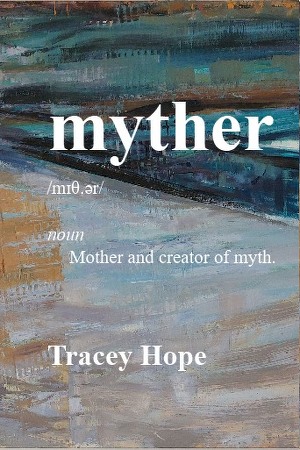
Matrifocal. Vatic. Mournful. Myther explores loss of connection with identity and environment. Form often symbolises a breakdown. Humanity disrespects the Earthand fails to connect with the voice of the sea.Grendel’s mother, an ancient matriarch, is mistranslated Succeeding poems are personal, lamenting a loss of identity as a mother and a woman.
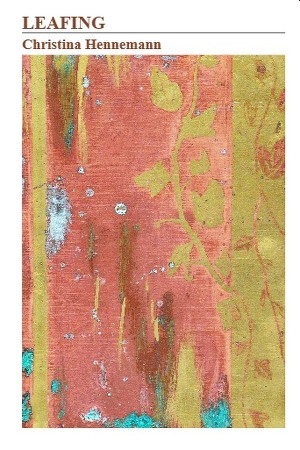
Runner Up: ‘Leafing’ by Christina Hennemann
Against the backdrop of climate catastrophe, the speaker of these poems goes on a journey of self-discovery in a time of multiple crises. Peeling away layer by layer, the speaker reveals their self and creates room to grow and branch out, but always in close connection with nature and the environment.
Runner Up: ‘Naming the storm’ by Mark G. Pennington
A confessional work which follows a life through varying stages, from a stay in hospital to living rough to working as a cleaner in a car dealership. There are also poems on nature and travel, with a view of the world that is both wondrous and wrought with terror.
David Belcher – Unravelling the knot Cat Dixon – The Letters Between Us Christina Hennemann – Leafing Tracey Hope – myther Wendy Klein – Having her Cake Marie Papier – After Picasso there’s only God Mary Mulholland – me&/- Peter Kenny – 24/7 Danne Jobin – SCAR TISSUE Mark G. Pennington – Naming the storm
In no particular order, here are the 22 entries that made the Longlist:
Cat Dixon: The Letters Between Us Daphne Harries: Latent Images Linda Burnett: Cloud Shutters Martin Rieser: On Broken Knees Peter J. King: Pocket Poems Peter Keeble: Towards Boogie Heaven Peter Kenny: 24/7 Wendy Klein: Having her Cake Emilia Cooke: A Skinful of Love & Blood-filled Bodies Christina Hennemann: Leafing Crystal Anderson: The Coagulate Peter Allmond: Winged This Side of Heaven Marie Papier: After Picasso there’s only God Beth Brooke: It Will Be A Long Way Down Richard Doyle: The Slough Psalter Christopher M James: The Great Belonging Danne Jobin: SCAR TISSUE Tracey Hope: myther David Belcher: Unravelling the knot Mary Mulholland: me&/- Mark G. Pennington: Naming the storm Ansuya Patel: I Had Asked For You
This will be pared down to a Shortlist of no more than 10 by next week.






 Cerasus Poetry